99 Nights in the Forest: The True Story Behind the Game
Uncovering the real survival story that inspired the Roblox horror phenomenon
The True Story Behind 99 Nights in the Forest
The Roblox horror survival game "99 Nights in the Forest" has captivated players worldwide with its intense gameplay and chilling narrative. What many don't realize is that this terrifying adventure is loosely based on a remarkable true survival story from 2023.
Key Fact: The game draws inspiration from the real-life survival of four indigenous children who survived 40 days in the Amazon rainforest after a plane crash.
The Real Amazon Survival Story: Operation Hope
The Plane Crash
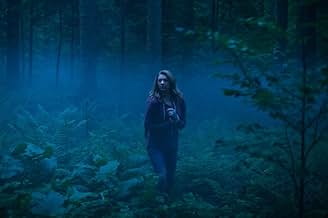
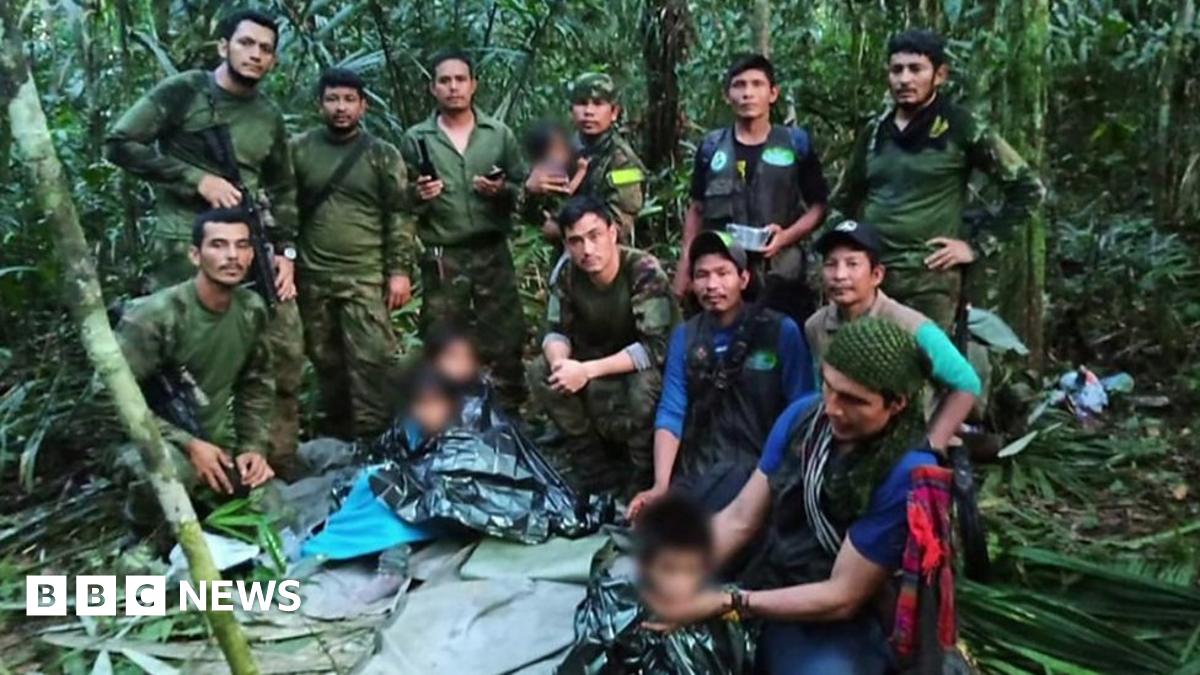
In May 2023, a small aircraft carrying four indigenous children from the Huitoto people crashed in the dense Colombian Amazon jungle. Against all odds, all four children survived the initial impact.
The children, aged between 1 and 13, were traveling with their mother when the plane went down. Tragically, the adults onboard did not survive.

40 Days of Survival
For 40 days, the children navigated one of the world's most dangerous jungles. Their survival was largely attributed to the knowledge and skills of the eldest child, who drew upon traditional Huitoto survival techniques passed down through generations.
- Knowledge of edible plants and fruits
- Understanding of animal behavior and tracking
- Traditional shelter-building techniques
- Water sourcing and purification methods
The Rescue Operation
The search and rescue operation, dubbed "Operation Hope" (Operación Esperanza), became one of the most extensive in Colombian history. After 40 days, search teams finally located the children, who were weak but alive.
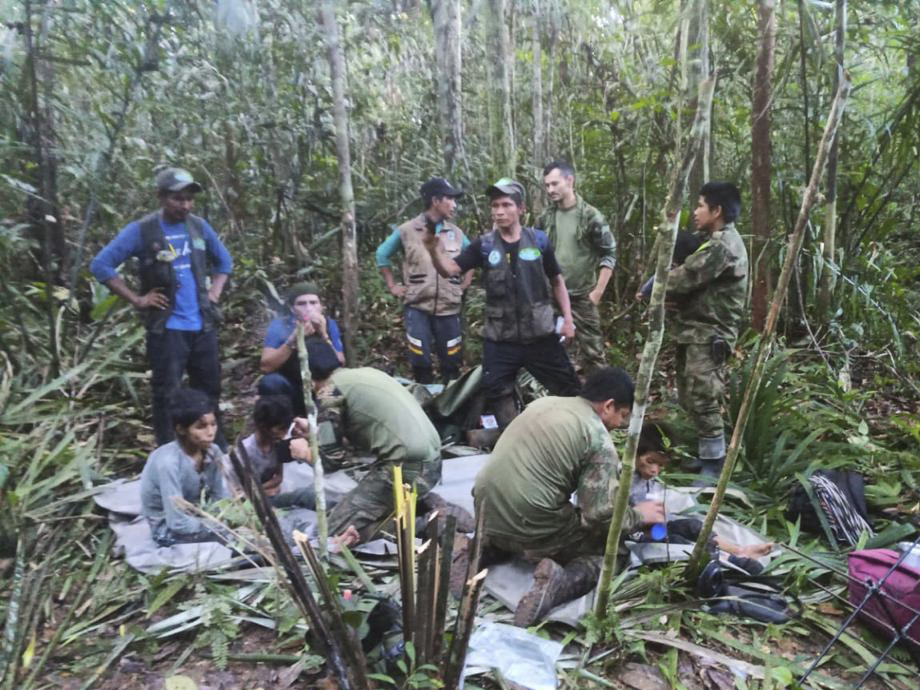
The miraculous rescue was documented in "The Lost Children" documentary
How 99 Nights in the Forest Transforms the True Story
From Reality to Horror Fiction
While the game draws inspiration from the real survival story, the developers have incorporated extensive fictional and supernatural elements to create a compelling horror experience. The 40-day survival becomes 99 nights of terror in the game's narrative.
Real Elements
- • Children surviving in the wilderness
- • Plane crash premise
- • Survival against natural elements
- • Indigenous knowledge as key to survival
Fictional Additions
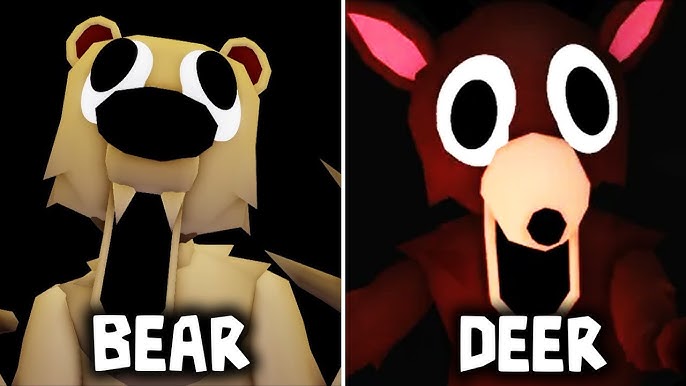
- • Supernatural creatures (Monster Deer, Owl)
- • Cultist backstory and rituals
- • Mythological elements (Wendigo, Owlman)
- • Horror survival gameplay mechanics
Supernatural Elements in 99 Nights Game
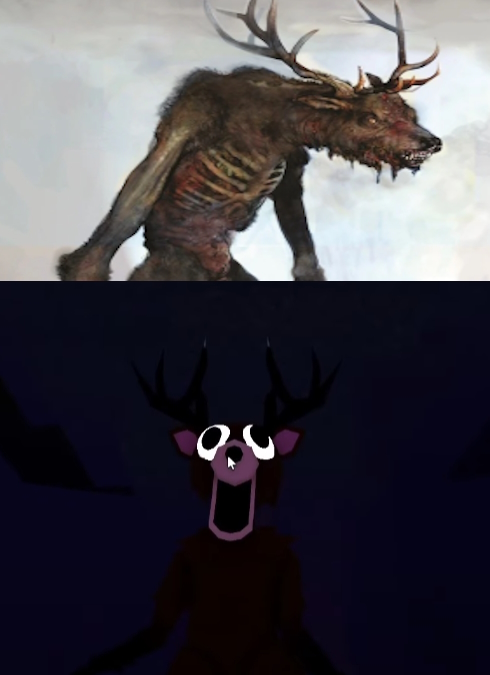
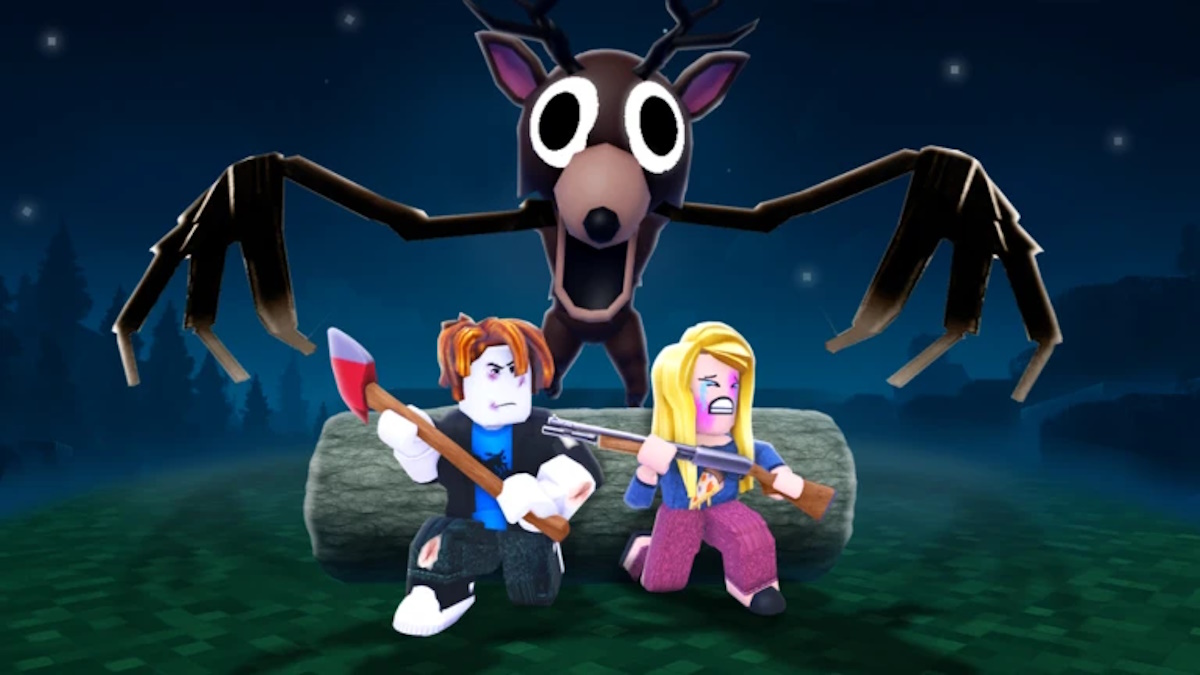
The Monster Deer
A terrifying creature created through cultist rituals, serving as one of the game's primary antagonists.
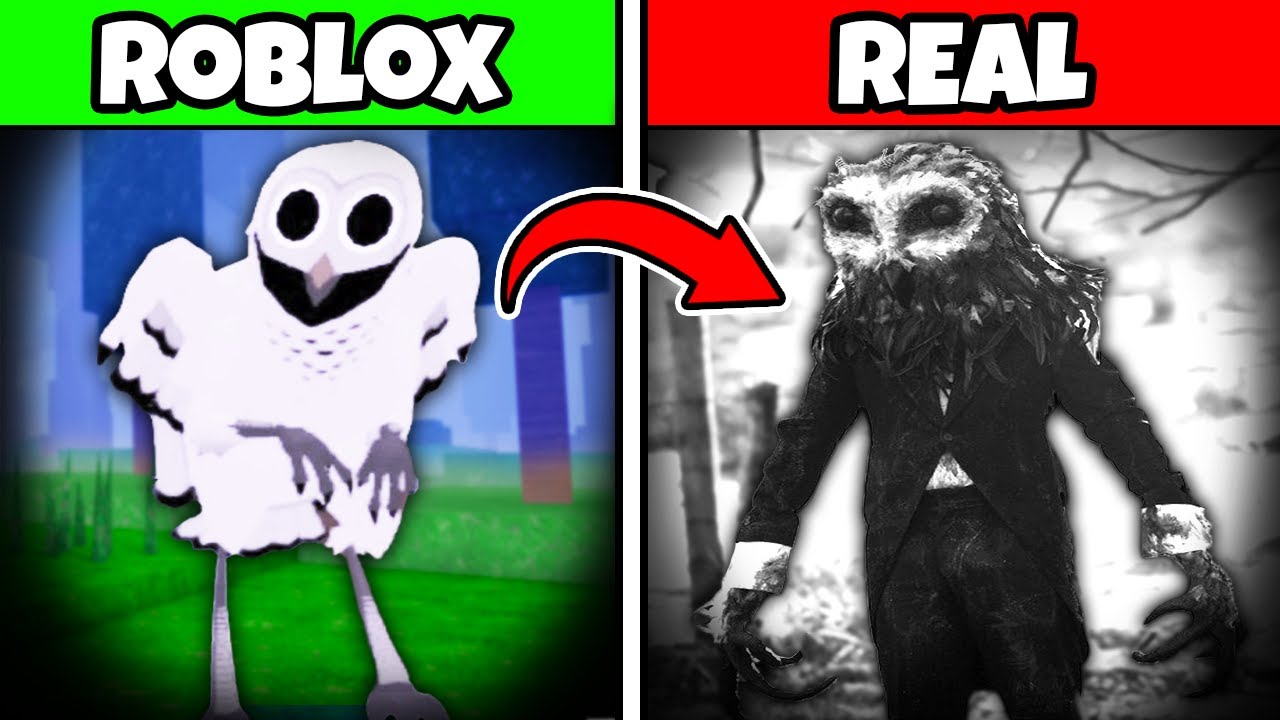
The Owl
Based on mythological creatures like the Owlman, adding to the supernatural horror elements.

Cultist Lore
A fictional backstory involving forest cultists who created the supernatural threats players face.
Gameplay vs Reality
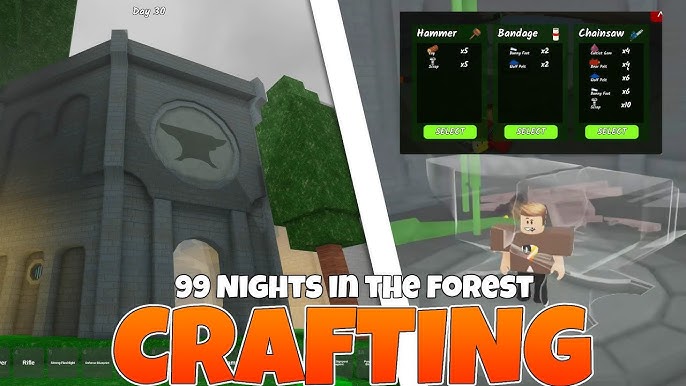
While the real children survived through knowledge and resilience against natural dangers, game players must survive 99 nights against supernatural threats, using game mechanics like crafting, hiding, and strategic thinking to avoid the Monster Deer and other creatures.
Indigenous Knowledge and Cultural Context
The Huitoto People
The real-life survivors belonged to the Huitoto indigenous group, native to the Amazon rainforest spanning Colombia and Peru. Their deep understanding of the forest ecosystem was crucial to their survival.
This traditional knowledge, passed down through generations, includes understanding medicinal plants, tracking animals, and navigating the complex rainforest environment.
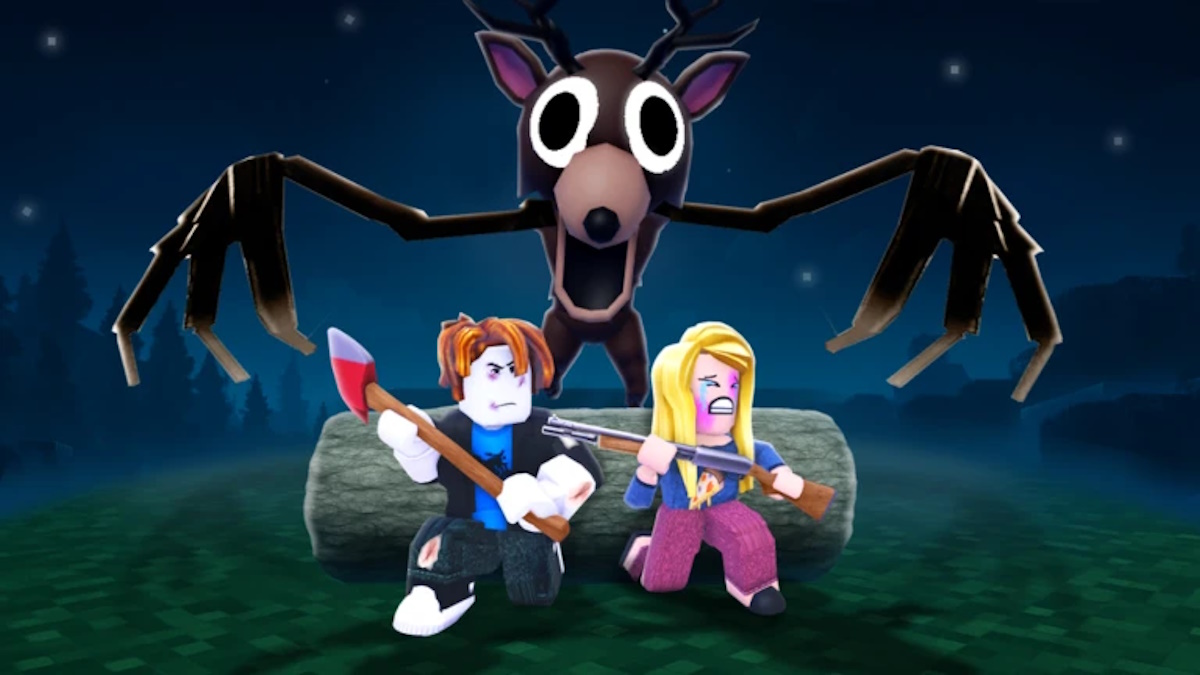
From Traditional Knowledge to Game Mechanics
While the game incorporates supernatural elements, it indirectly honors the real children's survival by emphasizing the importance of knowledge and adaptability in wilderness situations.
The Legacy of Both Stories
Real-World Impact
The real survival story brought international attention to indigenous knowledge and resilience. It highlighted how traditional skills can mean the difference between life and death in extreme situations.
The documentary "The Lost Children" (Operation Hope) continues to educate people about this remarkable story of human endurance.
Gaming Phenomenon
"99 Nights in the Forest" has become a popular Roblox horror experience, introducing thousands of players to a story inspired by real events while providing thrilling supernatural gameplay.
The game demonstrates how real stories can be adapted into engaging fictional narratives while maintaining respect for their origins.